


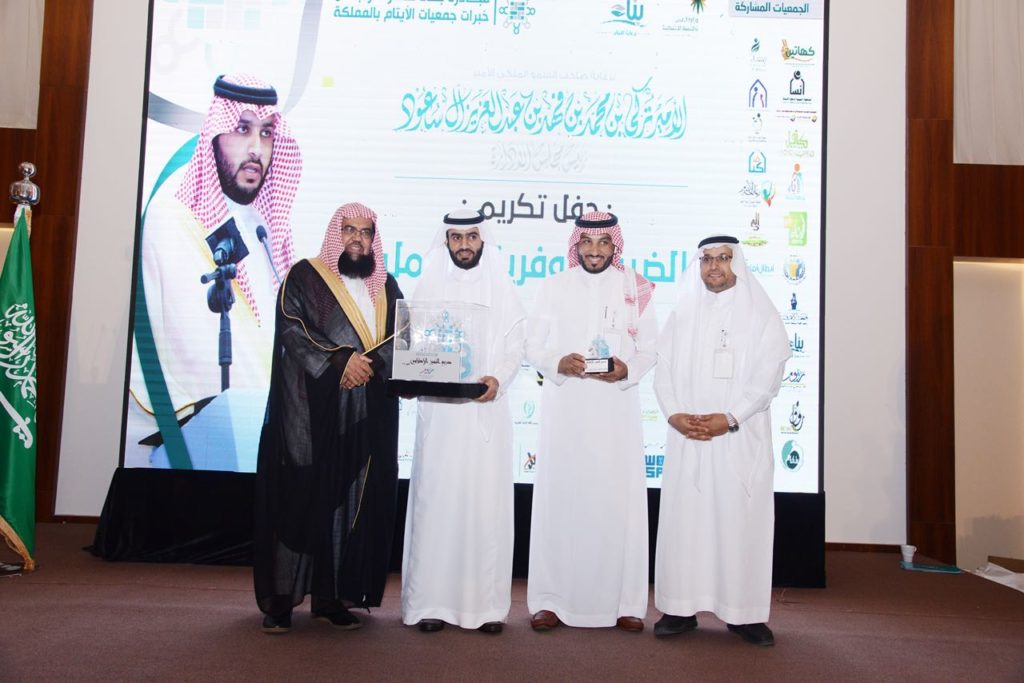
 The second forum for best practices in creating community programs was concluded within the initiative to build the capabilities and exchange experiences of workers in orphan associations, in which several working papers were presented. The first session was headed by Mr. Abdul Rahman bin Fahd Al-Muqbel, Director General of the Ministry of Labor and Social Development in the Eastern Region, with multiple working papers, the first of which was a paper entitled “Methodology of Innovation and Project Industry,” which was presented by Mr. Elias Abdel Karim from “Manarat Al-Ataa” and in which he highlighted the stages that precede the launch of any program, including brainstorming and creativity in choosing the topic and the nature of the program so that it is applicable.For application.He gave many examples of this.
The second paper within the framework of the same session was entitled “Ayamen Programme,” which was presented by Professor Arwa Habqi, in which she discussed the nature of “Ayamen” and its methodology in dealing with the voluntary reality.
The third paper was entitled “International Youth Program Leadership License,” which was presented by Dr.Abdul Rahman Al-Jaber, and the fourth paper was entitled “The Experience of the Neighborhood Centers Association in Community Initiatives,” which was presented by A.Muhammad Baqrid discussed the stages of the experience of the Neighborhood Centers Association, passing through the scientific interaction with the community initiatives presented by the Association and ending with the innovative solutions it provided during the launch of its initiatives at many levels.
Second session
The second session, which was moderated by Dr. Saleh bin Ali Al-Humaidan, began with the first working paper entitled “The Experience of the Princess Al-Anoud Charitable Foundation from Pastoralism to Empowerment,” presented by Mr. Abdul Aziz Al-Kraidis from the Al-Anoud Charitable Foundation, during which he reviewed the nature of the practical experience of the organization and the stages of transition from pastoralism to empowerment, stressing that creating diverse opportunities and sources of profit within the organization through innovation in programs as well as public relations and employing practical effort within the organization for the success of the programs are all logical reasons for the transition from pastoralism to empowerment.Empowerment.
The second paper came in the same session under the title “Program Design... Addressing Practical Needs and the Labor Market,” which was presented by Mr. Rayan Dahlawi from the National Bank. It covered many technical and procedural answers about designing programs and their suitability to market requirements.
The third paper dealt with the experience of the “Kanaf” Association, which was presented by Dr. Ahmed Al-Ali from the “Kanaf” Association, in which he discussed the experiment phase and how to overcome the obstacles it faced.The fourth paper of the second session was entitled “Outputs of the Rushd Initiative for Orphans” and was presented by Dr.Imad Al-Jarifani, followed by questions and interventions.
Third session
Engineer Musa bin Muhammad Al-Mousa moderated the third session, during which five working papers were presented, the first of which was a paper entitled “Mubadir Program,” which dealt with its nature and methodology in supporting young entrepreneurs, and was presented by Mr. Abdullah Baslam. The second paper dealt with the Ambassadors Project for the Cooperative Office in Hali, which was presented by Mr. Ali Al-Falahi, in which he addressed the nature of the project, its goals, and the values it achieves each year separately.The paper was entitled “Soft Wealth” from the Pioneers of Educational Creativity Foundation, presented by Ms. Najat Salem. The fourth paper dealt with the Youth Pioneers Project from the “Kemma Al-Knowledge” Foundation and presented by Mr. Juman Al-Ghamdi. Then the fifth paper was entitled “The First Scientific Camp for Orphans” and was presented by Engineer Moaz Al-Mulhim from the Bena Association for Orphan Care, in which he discussed the experience of the scientific camp, its stages, and the new and qualitative form it presented in this context.
Fourth session
As for the fourth session, it was moderated by Mr. Saleh bin Abdullah Al-Yousef, Director General of the Insan Society for Orphan Care. During the session, six working papers were presented, the first of which was entitled “The First National Olympiad for the Kingdom’s Orphans,” which dealt with the idea and its foundations and how it contributed to encouraging orphans to integrate. The paper was presented by Dr. Nasser Al Qamishan, and the second paper was entitled “Boh Forum for Girls” and was presented by Mr. Muhammad Al-Halibi from the Family Development Center in Al-Ahsa.
The third paper was entitled “Student Leadership Challenge Project” and was presented by Dr.Ali Gibran from Al-Rowad Building Group.
Fifth session
This was followed by the fifth session, moderated by Dr. Noah bin Yahya Al-Shehri, a faculty member at King Abdulaziz University, and various working papers were presented, including “Empowering Orphans,” “Marafi Club,” “A Pioneer Project,” “My Style Forum,” and “Standards for Building Value Programs for Male and Female University Students.”
Sixth session
The sixth session, which was moderated by Mr. Rayan bin Saud Dahlawi, Director of Social Responsibility Programs and Head of the National Bank for Orphan Care Program, included four working papers, the first of which dealt with “the efforts of the Emirate of the Jazan region in community partnership,” “the project to enhance developmental social work,” and “promoting valuable behavior for middle and secondary students.”
The second forum for best practices in creating community programs was concluded within the initiative to build the capabilities and exchange experiences of workers in orphan associations, in which several working papers were presented. The first session was headed by Mr. Abdul Rahman bin Fahd Al-Muqbel, Director General of the Ministry of Labor and Social Development in the Eastern Region, with multiple working papers, the first of which was a paper entitled “Methodology of Innovation and Project Industry,” which was presented by Mr. Elias Abdel Karim from “Manarat Al-Ataa” and in which he highlighted the stages that precede the launch of any program, including brainstorming and creativity in choosing the topic and the nature of the program so that it is applicable.For application.He gave many examples of this.
The second paper within the framework of the same session was entitled “Ayamen Programme,” which was presented by Professor Arwa Habqi, in which she discussed the nature of “Ayamen” and its methodology in dealing with the voluntary reality.
The third paper was entitled “International Youth Program Leadership License,” which was presented by Dr.Abdul Rahman Al-Jaber, and the fourth paper was entitled “The Experience of the Neighborhood Centers Association in Community Initiatives,” which was presented by A.Muhammad Baqrid discussed the stages of the experience of the Neighborhood Centers Association, passing through the scientific interaction with the community initiatives presented by the Association and ending with the innovative solutions it provided during the launch of its initiatives at many levels.
Second session
The second session, which was moderated by Dr. Saleh bin Ali Al-Humaidan, began with the first working paper entitled “The Experience of the Princess Al-Anoud Charitable Foundation from Pastoralism to Empowerment,” presented by Mr. Abdul Aziz Al-Kraidis from the Al-Anoud Charitable Foundation, during which he reviewed the nature of the practical experience of the organization and the stages of transition from pastoralism to empowerment, stressing that creating diverse opportunities and sources of profit within the organization through innovation in programs as well as public relations and employing practical effort within the organization for the success of the programs are all logical reasons for the transition from pastoralism to empowerment.Empowerment.
The second paper came in the same session under the title “Program Design... Addressing Practical Needs and the Labor Market,” which was presented by Mr. Rayan Dahlawi from the National Bank. It covered many technical and procedural answers about designing programs and their suitability to market requirements.
The third paper dealt with the experience of the “Kanaf” Association, which was presented by Dr. Ahmed Al-Ali from the “Kanaf” Association, in which he discussed the experiment phase and how to overcome the obstacles it faced.The fourth paper of the second session was entitled “Outputs of the Rushd Initiative for Orphans” and was presented by Dr.Imad Al-Jarifani, followed by questions and interventions.
Third session
Engineer Musa bin Muhammad Al-Mousa moderated the third session, during which five working papers were presented, the first of which was a paper entitled “Mubadir Program,” which dealt with its nature and methodology in supporting young entrepreneurs, and was presented by Mr. Abdullah Baslam. The second paper dealt with the Ambassadors Project for the Cooperative Office in Hali, which was presented by Mr. Ali Al-Falahi, in which he addressed the nature of the project, its goals, and the values it achieves each year separately.The paper was entitled “Soft Wealth” from the Pioneers of Educational Creativity Foundation, presented by Ms. Najat Salem. The fourth paper dealt with the Youth Pioneers Project from the “Kemma Al-Knowledge” Foundation and presented by Mr. Juman Al-Ghamdi. Then the fifth paper was entitled “The First Scientific Camp for Orphans” and was presented by Engineer Moaz Al-Mulhim from the Bena Association for Orphan Care, in which he discussed the experience of the scientific camp, its stages, and the new and qualitative form it presented in this context.
Fourth session
As for the fourth session, it was moderated by Mr. Saleh bin Abdullah Al-Yousef, Director General of the Insan Society for Orphan Care. During the session, six working papers were presented, the first of which was entitled “The First National Olympiad for the Kingdom’s Orphans,” which dealt with the idea and its foundations and how it contributed to encouraging orphans to integrate. The paper was presented by Dr. Nasser Al Qamishan, and the second paper was entitled “Boh Forum for Girls” and was presented by Mr. Muhammad Al-Halibi from the Family Development Center in Al-Ahsa.
The third paper was entitled “Student Leadership Challenge Project” and was presented by Dr.Ali Gibran from Al-Rowad Building Group.
Fifth session
This was followed by the fifth session, moderated by Dr. Noah bin Yahya Al-Shehri, a faculty member at King Abdulaziz University, and various working papers were presented, including “Empowering Orphans,” “Marafi Club,” “A Pioneer Project,” “My Style Forum,” and “Standards for Building Value Programs for Male and Female University Students.”
Sixth session
The sixth session, which was moderated by Mr. Rayan bin Saud Dahlawi, Director of Social Responsibility Programs and Head of the National Bank for Orphan Care Program, included four working papers, the first of which dealt with “the efforts of the Emirate of the Jazan region in community partnership,” “the project to enhance developmental social work,” and “promoting valuable behavior for middle and secondary students.”
Published in: